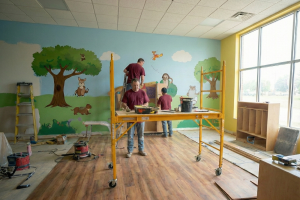
A Planning Guide For Child Care Center Construction and Remodeling…
Renovating or constructing a child care center is a significant endeavor that requires careful planning and execution. The environment in which children learn and grow plays a crucial role in their development, making it essential to create spaces that are not only functional but also nurturing and stimulating. This guide will walk you through the essential steps and considerations involved in the construction and remodeling of child care facilities, ensuring that you create a safe, engaging, and compliant environment for young learners.
Understanding Your Objectives
Before embarking on any construction or remodeling project, it is vital to clearly define your objectives. Understanding the reasons behind your renovation will help streamline the planning process and ensure that your goals align with the needs of the children, staff, and families involved.
Identifying Key Goals
Space Expansion: Determine if your current facility can accommodate the number of children you plan to serve. If not, consider expanding the space to include additional classrooms or play areas.
Facility Upgrades: Assess whether your existing facilities meet current safety and educational standards. Upgrading restrooms, kitchens, and play areas may be necessary to enhance functionality.
Enhancing Learning Environments: Consider how the design can foster learning and play. This may involve creating dedicated areas for different activities, such as quiet reading nooks, art stations, and active play zones.
Planning for Future Needs
While addressing immediate requirements is crucial, it is equally important to anticipate future needs. Child care centers often experience fluctuations in enrollment, and planning for potential growth can save time and resources in the long run.
Flexible Spaces: Design areas that can be easily reconfigured to accommodate changing group sizes or activities.
Regulatory Compliance: Stay informed about potential changes in regulations that may affect your facility, such as health and safety standards or child-to-staff ratios.
Budgeting for Your Project
A well-defined budget is the backbone of any successful construction or remodeling project. Understanding the costs involved will help you allocate resources effectively and avoid unexpected financial burdens.
Key Budget Components
Initial Assessment Costs: Engage professionals for site assessments, including architects and engineers, to evaluate the feasibility of your renovation plans.
Construction Expenses: This will likely be the largest portion of your budget, covering labor, materials, and any structural changes needed.
Safety and Compliance Costs: Allocate funds for necessary safety features, such as fire alarms, child-proof fixtures, and ADA-compliant facilities.
Furnishing and Equipment: Budget for age-appropriate furniture, learning materials, and play equipment that support child development.
Contingency Fund: Set aside 10-20% of your total budget for unexpected expenses that may arise during the renovation process.
Selecting a Qualified Contractor
Choosing the right construction company is critical to the success of your project. A reputable contractor will ensure that your vision is realized while adhering to safety and regulatory standards.
Criteria for Selection
Experience: Look for contractors with a proven track record in child care facility construction or remodeling.
Licensing and Insurance: Ensure that the contractor holds all necessary licenses and insurance to operate legally and safely.
References and Portfolio: Request references and review past projects to gauge the quality of their work.
Communication: Choose a contractor who communicates clearly and is willing to collaborate throughout the project.
Designing Functional Spaces
The design of your child care center should prioritize functionality while creating an inviting atmosphere for children. Thoughtful design choices can significantly impact children’s learning experiences.
Key Design Considerations
Zoning: Create distinct areas for various activities, such as quiet zones for reading, active play areas, and spaces for arts and crafts. This helps children transition smoothly between different types of play and learning.
Natural Light and Ventilation: Incorporate large windows and proper ventilation to enhance the indoor environment. Natural light has been shown to improve mood and concentration among children.
Durable Materials: Select materials that can withstand the wear and tear of daily use. Non-toxic, easy-to-clean surfaces are ideal for maintaining a safe and hygienic environment.
Ensuring Safety and Compliance
Safety is paramount in any child care setting. Your facility must comply with local, state, and federal regulations to ensure the well-being of children and staff.
Essential Safety Features
Child-Proofing: Install safety locks, rounded furniture edges, and non-slip flooring to minimize hazards.
Emergency Preparedness: Develop and implement emergency plans, including evacuation routes and procedures for handling medical emergencies.
Regular Inspections: Schedule routine inspections to ensure that safety features remain functional and compliant with regulations.
Creating a Welcoming Atmosphere
A child care center should feel like a second home for children. Creating a warm and inviting atmosphere can help children feel secure and comfortable.
Design Elements to Consider
Color Schemes: Use soft, calming colors to create a soothing environment. Bright, cheerful colors can also stimulate creativity and playfulness.
Personalization: Allow children to personalize their spaces with artwork or photos, fostering a sense of ownership and belonging.
Outdoor Spaces: Incorporate outdoor play areas that encourage exploration and physical activity. Nature-based play spaces can enhance children’s connection to the environment.
Navigating Regulatory Requirements
Understanding and adhering to regulatory requirements is crucial for the successful operation of your child care center. Familiarize yourself with local licensing and zoning laws to avoid potential pitfalls.
Key Regulations to Consider
Health and Safety Codes: Ensure compliance with health and safety codes, including sanitation standards and food handling regulations.
Building Codes: Familiarize yourself with building codes that govern construction and renovation, including accessibility requirements for individuals with disabilities.
Licensing Requirements: Consult with local licensing agencies to understand the specific requirements for operating a child care facility in your area.
Managing the Renovation Process
Effective project management is essential for keeping your renovation on track and within budget. Establishing clear timelines and communication channels will help facilitate a smooth process.
Steps for Successful Management
Develop a Timeline: Create a detailed timeline that outlines key milestones and deadlines for each phase of the project.
Regular Check-Ins: Schedule regular meetings with your contractor to discuss progress, address concerns, and make necessary adjustments.
Documentation: Keep thorough records of all communications, contracts, and changes made throughout the renovation process.
Engaging Stakeholders
Involving key stakeholders in the renovation process can lead to a more successful outcome. Engaging parents, staff, and community members can provide valuable insights and foster a sense of ownership.
Strategies for Engagement
Surveys and Feedback: Conduct surveys to gather input from parents and staff regarding their needs and preferences for the new facility.
Community Meetings: Host community meetings to discuss renovation plans and gather feedback from local residents.
Transparency: Keep stakeholders informed throughout the renovation process to build trust and ensure that their concerns are addressed.
Preparing for the Grand Opening
Once the renovation is complete, it’s time to prepare for the grand opening of your newly remodeled child care center. A successful launch can help attract families and generate excitement within the community.
Steps for a Successful Launch
Marketing Campaign: Develop a marketing campaign to promote your newly renovated facility. Utilize social media, local newspapers, and community events to spread the word.
Open House Events: Host open house events to invite families and community members to tour the facility and meet staff.
Feedback Mechanism: Establish a feedback mechanism to gather input from families and staff after the opening, allowing for continuous improvement.
Constructing or remodeling a child care center is a complex but rewarding process. By carefully planning your objectives, budgeting effectively, selecting qualified contractors, and prioritizing safety and compliance, you can create a nurturing environment that supports children’s growth and development. Engaging stakeholders and preparing for a successful launch will further enhance the impact of your new facility. With thoughtful design and execution, your child care center can become a cherished space for children and families alike.
We Provide Comprehensive Commercial Contracting and Remodeling Services
We transform outdated retail, commercial, and industrial buildings into modern facilities. We specialize in thoughtful, high-quality remodeling solutions that breathe new life into businesses throughout Greater Cincinnati and Northern Kentucky. Whether you’re refreshing a dated space, improving functionality, or completely reimagining your property, our skilled team delivers exceptional results that enhance both value and enjoyment of your space.
Contact Us (859-538-6198) For a Free Consultation!
—
About CSP
Complete Structural Partners (CSP) provides commercial and residential contracting, renovation, and remodeling services to the Greater Cincinnati / Northern Kentucky area. We specialize in retail, office, healthcare, warehouse, and manufacturing construction projects. CSP provides quality craftsmanship that is completed on time and under budget. Our Interior Design Division provides decorating, staging, and space planning services as well as construction services for small remodeling projects.