
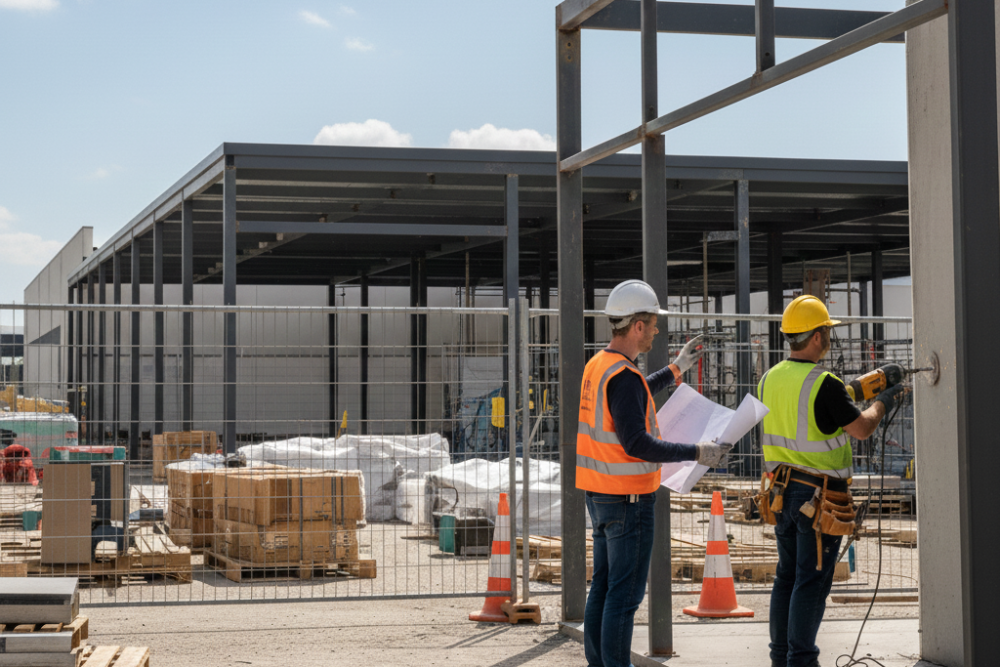
Understanding Retail Construction
Retail construction encompasses a wide range of activities aimed at creating functional and appealing spaces for retail businesses. This can include building new stores, renovating existing ones, or adapting spaces for retail use. The primary goal is to create an environment that enhances customer experience while meeting the operational needs of the business.
Key Components of Retail Construction
-
- Design and Layout: The design of a retail space is critical. It should reflect the brand’s identity while ensuring a smooth flow for customers. Factors such as lighting, signage, and layout play a significant role in attracting and retaining customers.
- Construction Techniques: Retail construction often requires specialized techniques and materials to create spaces that are not only visually appealing but also durable and functional. This includes considerations for HVAC systems, plumbing, and electrical installations.
- Compliance and Regulations: Retail construction must adhere to local building codes and regulations. This includes obtaining necessary permits and ensuring that the space meets safety standards.
The Phases of Retail Construction
Retail construction projects typically unfold in several distinct phases, each requiring careful planning and execution.
1. Initiation Phase
The initiation phase is where the groundwork for the project is laid. This involves defining the project scope, objectives, and identifying key stakeholders.
-
- Project Scope: Clearly outline what the project will entail, including size, location, and design requirements.
- Stakeholder Engagement: Identify all parties involved, including investors, contractors, and local authorities, and understand their expectations.
- Feasibility Study: Conduct a thorough analysis of market conditions, financial viability, and regulatory requirements.
2. Planning Phase
Once the initiation phase is complete, the planning phase begins. This is where detailed project plans are developed.
-
- Timeline Development: Create a comprehensive timeline that includes key milestones and deadlines.
- Budgeting: Establish a detailed budget that accounts for all costs, including materials, labor, and permits.
- Risk Management: Identify potential risks and develop strategies to mitigate them.
3. Execution Phase
The execution phase is where the actual construction takes place. Effective site management is crucial during this stage.
-
- Site Management: Ensure the construction site is organized and compliant with safety regulations.
- Quality Control: Implement quality assurance measures to maintain high standards throughout the construction process.
- Communication: Maintain open lines of communication with all stakeholders to ensure everyone is informed of progress and any changes.
4. Monitoring and Control Phase
During this phase, the project manager monitors progress against the project plan.
-
- Performance Indicators: Use key performance indicators (KPIs) to assess project progress and make necessary adjustments.
- Financial Tracking: Regularly compare expenditures against the budget to prevent cost overruns.
- Stakeholder Updates: Keep all stakeholders informed of progress and address any concerns promptly.
5. Closing Phase
The closing phase involves final inspections and project handover.
-
- Inspections: Conduct thorough inspections to ensure compliance with building codes and safety standards.
- Documentation: Prepare and deliver all necessary documentation, including as-built drawings and warranties.
- Post-Project Review: Hold a meeting with the project team to discuss successes and areas for improvement.
Choosing the Right Retail Construction Company
Selecting the right construction company is crucial for the success of your retail project. Here are some factors to consider:
Experience and Expertise
Look for a construction company with a proven track record in retail construction. Their experience will be invaluable in navigating the complexities of your project.
Reputation and References
Check references and reviews from previous clients to gauge the company’s reputation. A company known for professionalism and quality work is more likely to deliver a successful project.
Communication Skills
Effective communication is essential in construction projects. Choose a company that prioritizes clear communication and is responsive to your needs.
Budget and Bids
Obtain multiple bids from different companies to compare costs. Ensure that the bids are detailed and transparent, outlining all aspects of the project.
Key Considerations for Retail Construction
When embarking on a retail construction project, several critical factors must be taken into account.
Location
The location of your retail space can significantly impact its success. Choose a site that is easily accessible and visible to potential customers.
Size and Layout
Determine the appropriate size for your store based on the products you will sell and how you want to display them. The layout should facilitate a smooth customer flow.
Budget Management
Establish a realistic budget and stick to it. Consider all potential costs, including unexpected expenses that may arise during construction.
Quality of Materials
Invest in high-quality materials that will withstand wear and tear. This not only enhances the appearance of your store but also contributes to its longevity.
Security Measures
Implement security features such as surveillance cameras and alarm systems to protect your store and its assets.
Common Challenges in Retail Construction
Retail construction projects can encounter various challenges that may impact timelines and budgets.
Delays in Permitting
Obtaining necessary permits can be time-consuming. Ensure that all required documentation is submitted promptly to avoid delays.
Budget Overruns
Unexpected costs can arise during construction. Maintain a contingency fund to address any financial surprises.
Coordination Issues
With multiple stakeholders involved, coordination can become complex. Regular meetings and updates can help keep everyone aligned.
The Importance of Design in Retail Construction
The design of your retail space is not just about aesthetics; it plays a crucial role in customer experience and operational efficiency.
Brand Representation
Your store’s design should reflect your brand identity. This includes color schemes, signage, and overall ambiance.
Customer Experience
A well-designed layout enhances the shopping experience, making it easier for customers to navigate the space and find products.
Operational Efficiency
Consider how the design will impact staff operations. Efficient layouts can streamline processes and improve employee productivity.
Future Trends in Retail Construction
As the retail landscape evolves, so do the trends in construction. Staying informed about these trends can help you make strategic decisions for your business.
Sustainable Practices
Sustainability is becoming increasingly important in retail construction. Incorporating eco-friendly materials and energy-efficient systems can reduce your environmental impact.
Technology Integration
Smart technology is transforming retail spaces. Consider integrating systems that enhance customer experience, such as digital signage and automated checkout.
Flexible Spaces
The demand for flexible retail spaces is on the rise. Designing adaptable spaces can allow for easy reconfiguration as business needs change.
Retail construction is a complex but rewarding endeavor that requires careful planning, execution, and collaboration. By understanding the various phases of construction, choosing the right partners, and considering key factors, you can create a retail space that not only meets your business needs but also delights your customers. As the retail landscape continues to evolve, staying informed about trends and best practices will position your business for long-term success.
We Provide Tenant New Retail and Finish / Tenant Build Out Services
CSP can transform an existing locations into the exact space your organization needs to thrive. Our on-staff designers work directly with you to gain a deep understanding of your needs. By taking a design-build approach, you eliminate the headaches of juggling communications between multiple companies with different ideas.
> Learn More
Contact Us (859-538-6198) For a Free Consultation!
View Some of Our Featured Work
—

About CSP
Complete Structural Partners (CSP) provides commercial and residential contracting, renovation, and remodeling services to the Greater Cincinnati/Northern Kentucky area. We specialize in retail, office, healthcare, warehouse, and manufacturing construction projects. CSP provides quality craftsmanship that is completed on time and under budget. Our Interior Design Division provides decorating, staging, and space planning services as well as construction services for small remodeling projects.
> Lean More