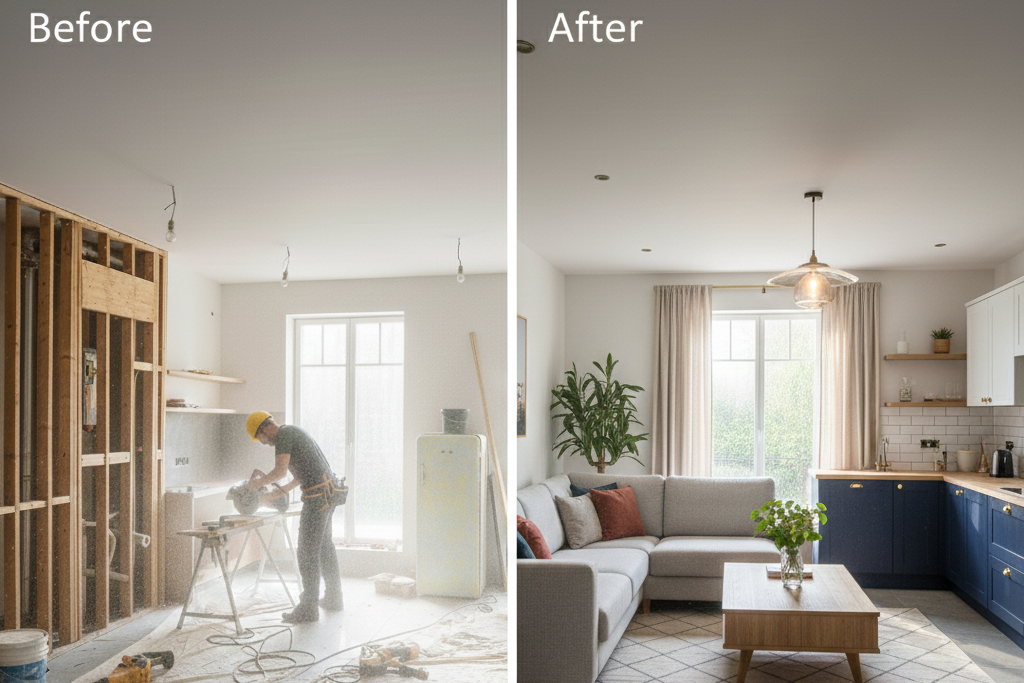
Important Steps You Should Follow To Have a Smooth Residential Remodeling Project For Your Home or Condo…
Embarking on a residential remodeling project can be both exciting and daunting. Whether you’re looking to refresh a single room or undertake a whole-home renovation, understanding the steps involved is crucial for a successful outcome. This guide will walk you through the essential phases of a remodeling project, providing insights and tips to help you navigate the process smoothly.
Understanding the Scope of Your Project
Before diving into the remodeling process, it’s vital to define the scope of your project. This initial step sets the foundation for everything that follows.
Assessing Your Needs
Begin by evaluating what you want to achieve with your remodel. Are you looking to enhance functionality, improve aesthetics, or increase your home’s value? Consider the following:
Identify Problem Areas: Take note of spaces that feel cramped, outdated, or inefficient.
Set Clear Goals: Determine whether you want a minor refresh or a complete overhaul.
Prioritize Projects: If multiple areas need attention, rank them based on urgency and budget.
Budgeting for Your Remodel
Once you have a clear vision, it’s time to establish a budget. This will guide your decisions throughout the project. Keep in mind:
Average Costs: Research typical costs for the type of remodeling you plan to undertake. For instance, kitchen remodels can range significantly based on materials and scope.
Hidden Expenses: Always allocate an additional 10-20% of your budget for unexpected costs that may arise during the project.
Funding Options: Consider various financing methods, such as home equity loans or personal loans, to support your renovation.
Planning and Design
With your goals and budget in place, the next step is to move into the planning and design phase. This is where your vision begins to take shape.
Collaborating with Professionals
Engaging with experienced professionals can significantly enhance your remodeling project. Consider hiring:
Designers: They can help translate your ideas into practical designs that maximize space and functionality.
Contractors: A reliable contractor will manage the construction process, ensuring that everything runs smoothly.
Creating Detailed Plans
Work closely with your designer to develop comprehensive plans that include:
Blueprints: Detailed drawings that outline the layout and dimensions of your remodel.
Material Selections: Choose finishes, fixtures, and appliances that align with your vision and budget.
Permitting Requirements: Research local building codes and obtain necessary permits to avoid delays.
Pre-Construction Preparation
Before construction begins, thorough preparation is essential to ensure a seamless transition into the remodeling phase.
Organizing Your Space
Clear the areas that will be remodeled to facilitate easy access for contractors. This includes:
Removing Furniture: Relocate or cover furniture to protect it from dust and damage.
Packing Personal Items: Store away valuables and fragile items to prevent breakage during construction.
Setting Up Temporary Living Arrangements
If your remodel is extensive, consider arranging alternative living accommodations. This can help you avoid the stress of living in a construction zone.
Demolition Phase
The demolition phase marks the beginning of the physical transformation of your home. This step can vary in intensity based on the scope of your project.
Preparing for Demolition
Before any walls come down, ensure that:
Utilities are Disconnected: Safely disconnect water, electricity, and gas lines as needed.
Safety Measures are in Place: Ensure that all workers are equipped with proper safety gear.
Executing the Demolition
During this phase, contractors will remove old fixtures, walls, and flooring to create a blank canvas for your new design. This can involve:
Selective Demolition: Removing only specific elements while preserving structural integrity.
Complete Gutting: In some cases, entire rooms may be stripped down to the studs.
Structural Work
Once demolition is complete, the next step involves any necessary structural changes to your home.
Addressing Structural Needs
This phase may include:
Reinforcing Foundations: Ensuring that the base of your home is stable and secure.
Installing New Framework: Adding or modifying walls, windows, and doors to align with your new design.
Inspections and Approvals
After structural work is completed, it’s crucial to have inspections conducted to ensure compliance with local building codes. This may involve:
Scheduling Inspections: Coordinate with local authorities to verify that all work meets safety standards.
Making Adjustments: Address any issues identified during inspections before moving forward.
Mechanical Systems Installation
With the structure in place, it’s time to focus on the essential mechanical systems that will support your home’s functionality.
Plumbing, Electrical, and HVAC
This phase involves installing or upgrading:
Plumbing Systems: Ensure that all pipes and fixtures are correctly installed and functioning.
Electrical Wiring: Update wiring to accommodate new appliances and lighting.
HVAC Systems: Install or upgrade heating and cooling systems for optimal comfort.
Testing Systems
Before closing up walls, conduct tests to ensure that all systems are operational. This includes:
Pressure Testing: Check for leaks in plumbing systems.
Electrical Testing: Verify that all circuits are functioning correctly.
Walls and Insulation
Once the mechanical systems are in place, it’s time to close up the walls and add insulation.
Installing Insulation
Proper insulation is crucial for energy efficiency and comfort. Consider:
Types of Insulation: Choose between fiberglass, foam, or cellulose based on your needs and budget.
Installation Techniques: Ensure that insulation is installed correctly to avoid gaps that could lead to energy loss.
Hanging Drywall
After insulation, drywall installation can begin. This process involves:
Measuring and Cutting: Ensure that drywall fits snugly against walls and ceilings.
Taping and Mudding: Apply joint tape and mud to create a smooth finish before painting.
Finishing Touches
With the walls in place, it’s time to focus on the finishing touches that will bring your vision to life.
Flooring Installation
Choose flooring materials that complement your design. Options may include:
Hardwood: Offers a classic and timeless look.
Tile: Ideal for high-moisture areas like bathrooms and kitchens.
Carpet: Provides warmth and comfort in living spaces.
Painting and Decorating
Once flooring is installed, it’s time to paint and decorate. Consider:
Color Schemes: Choose colors that reflect your style and enhance the space.
Decorative Elements: Add fixtures, furniture, and accessories that complete the look.
Final Walkthrough and Inspection
As your remodeling project nears completion, it’s essential to conduct a final walkthrough to ensure everything meets your expectations.
Conducting the Walkthrough
During this phase, you should:
Inspect All Work: Check for any imperfections or areas that need touch-ups.
Create a Punch List: Document any remaining tasks or adjustments needed before final approval.
Addressing Concerns
If any issues arise during the walkthrough, communicate them to your contractor for resolution. This may involve:
Scheduling Repairs: Arrange for any necessary fixes before final payment.
Reviewing Warranties: Ensure you understand the warranties for materials and workmanship.
Moving In and Enjoying Your Space
Once all work is completed and approved, it’s time to move back into your newly remodeled home.
Unpacking and Settling In
Take your time unpacking and arranging your belongings. Consider:
Organizing Spaces: Create functional layouts that enhance your daily routines.
Personalizing Decor: Add personal touches that make the space feel like home.
Celebrating Your Achievement
Finally, take a moment to appreciate the hard work that went into your remodel. Consider hosting a gathering to showcase your transformed space to friends and family.
Navigating a residential remodeling project requires careful planning, collaboration, and attention to detail. By following these steps, you can ensure a successful transformation of your home that meets your needs and enhances your living experience. Remember, the key to a smooth remodeling process lies in clear communication with your team and a willingness to adapt as challenges arise. Enjoy the journey of creating your dream home!
Comprehensive Residential Remodeling Services
At CSP, we specialize in thoughtful, high-quality remodeling solutions that breathe new life into homes and businesses throughout Greater Cincinnati and Northern Kentucky. Whether you’re refreshing a dated space, improving functionality, or completely reimagining your property, our skilled team delivers exceptional results that enhance both value and enjoyment of your space. > Learn More
Contact Us (859-538-6198) For a Free Consultation!
—
About CSP
Complete Structural Partners (CSP) provides commercial and residential contracting, renovation, and remodeling services to the Greater Cincinnati / Northern Kentucky area. We specialize in retail, office, healthcare, warehouse, and manufacturing construction projects. CSP provides quality craftsmanship that is completed on time and under budget. Our Interior Design Division provides decorating, staging, and space planning services as well as construction services for small remodeling projects.